Soho
Twelve square blocks of murals, third-wave coffee, and the CAC contemporary art center. Where to stay if you want to walk everywhere.

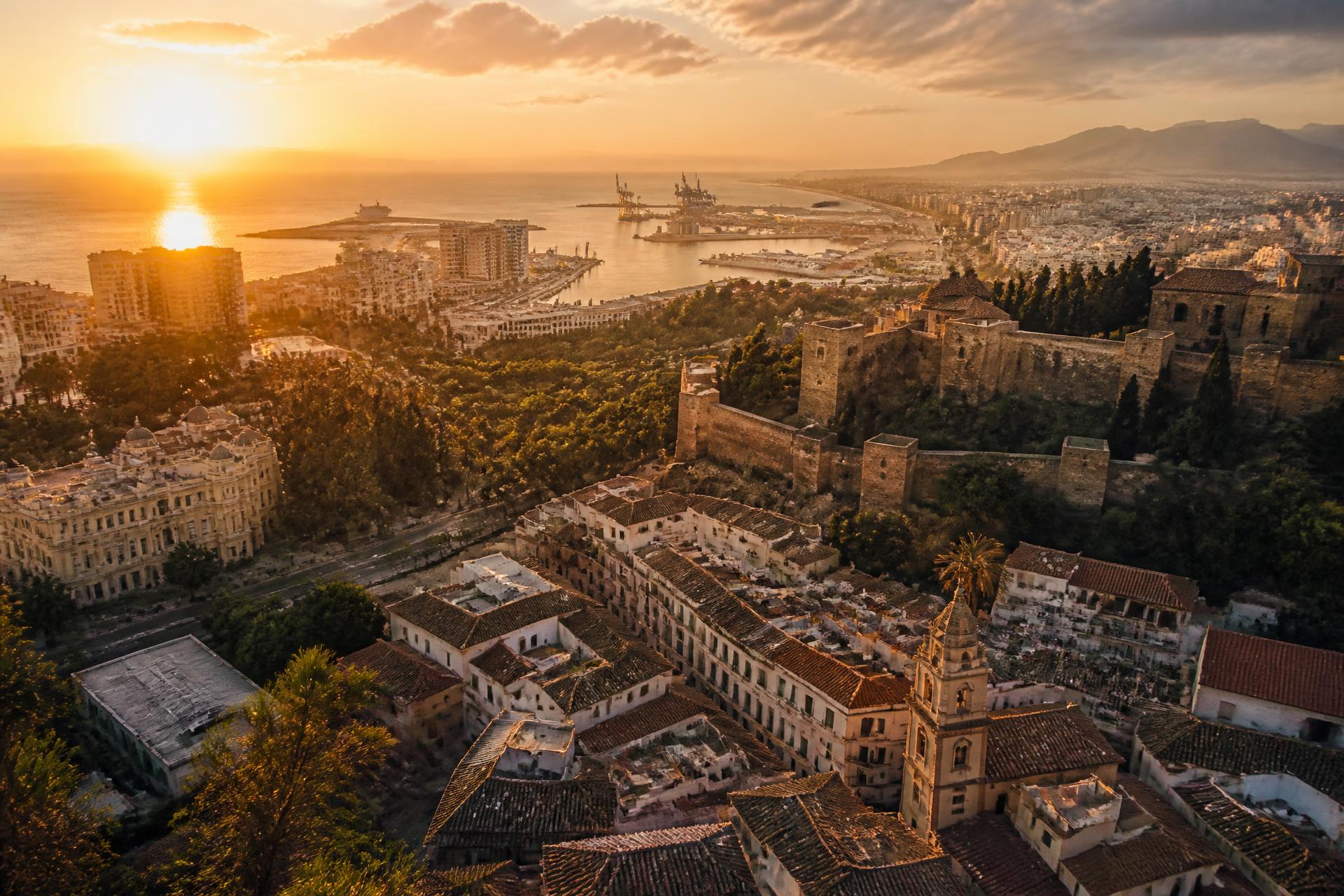
A field guide to the southern Spanish city that locals quietly call the best-kept secret on the Mediterranean — 3,000 years old, 300 days of sun, and a thousand reasons to stay another night.
A note from the editor
For decades, Málaga was the airport you flew into on the way somewhere else — Marbella, Nerja, the white villages. Then, quietly, the city rebuilt itself. A dozen new museums opened. The port became a promenade. The old town became the old town.
Today, Málaga is the city Madrileños move to when they're tired of Madrid. It's the place chefs from San Sebastián open second restaurants. It's where Picasso was born and, finally, where his hometown does him justice.
This is the field guide we wish we'd had.
Chapter One
Málaga is a small city — you can walk across the center in twenty minutes — but every barrio has its own light, its own pace, its own vermouth bar.
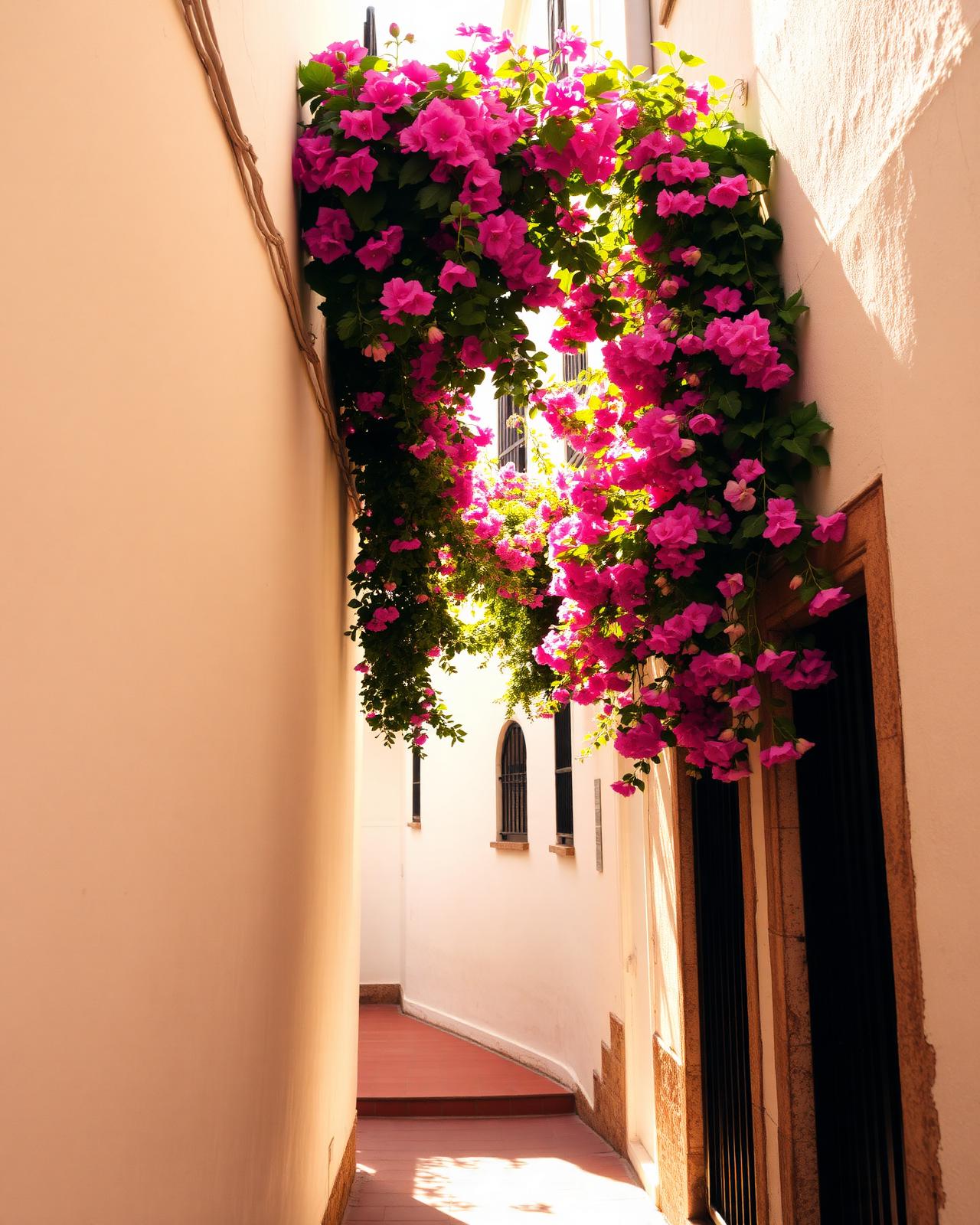
Twelve square blocks of murals, third-wave coffee, and the CAC contemporary art center. Where to stay if you want to walk everywhere.
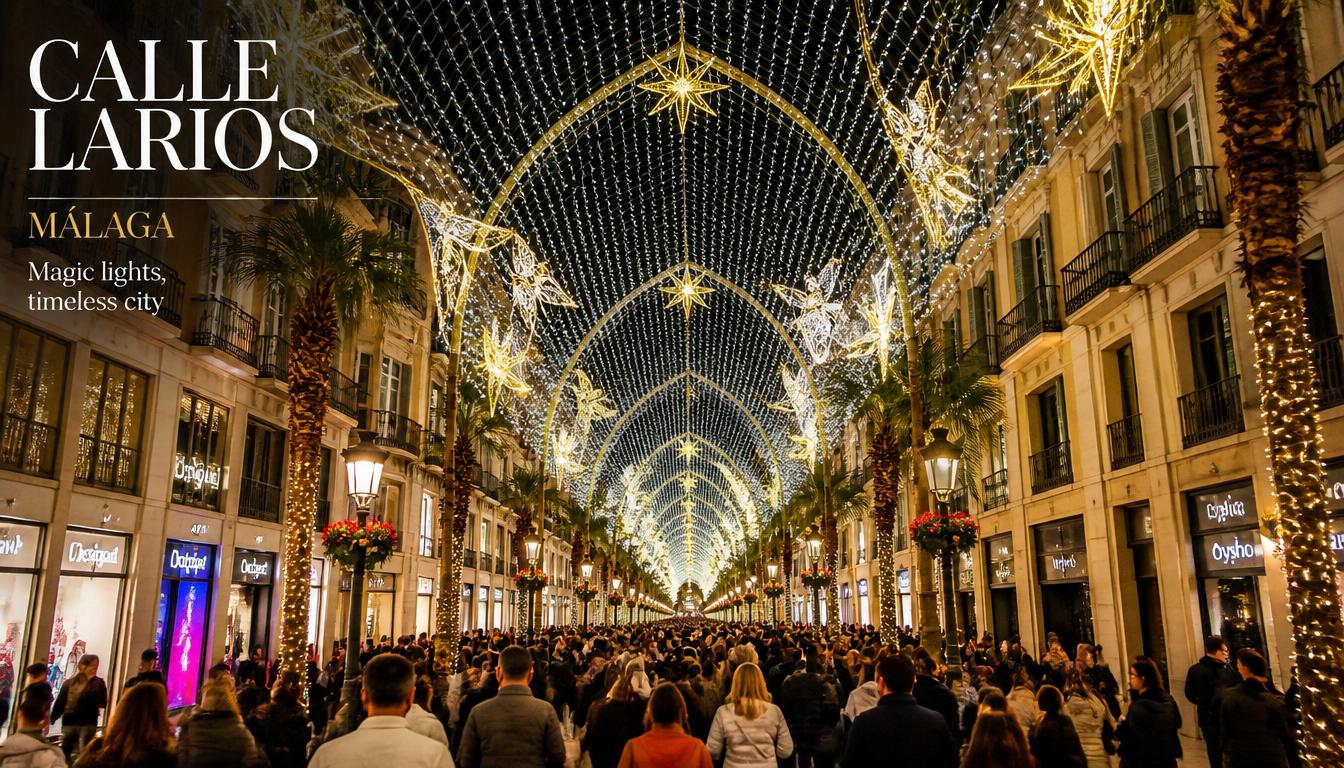
Marble-paved Calle Larios, the Cathedral, the Alcazaba above. Touristy at noon, magic at 10pm when the locals come out.
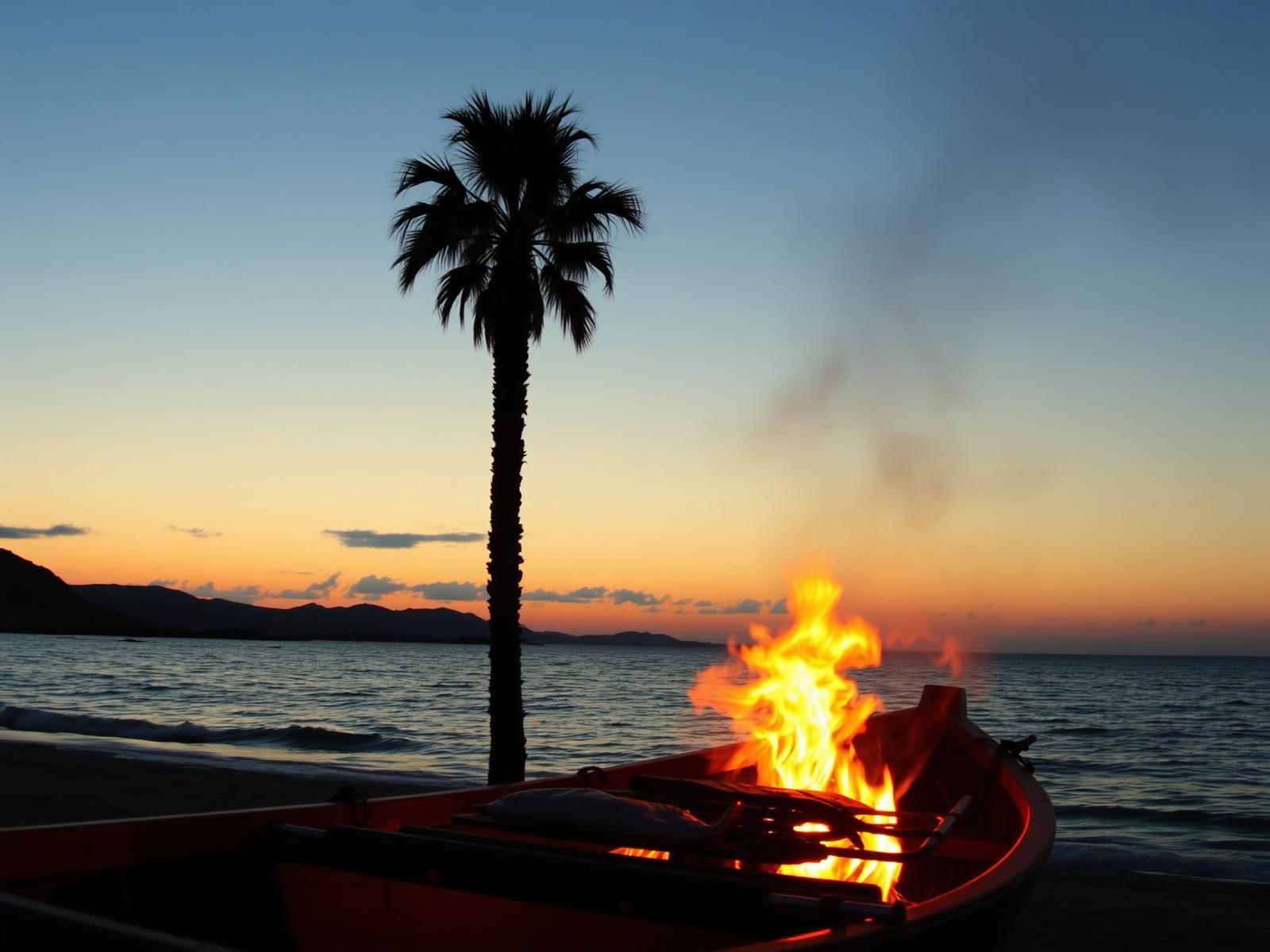
City beach with palm-lined paseo, espeto boats grilling sardines, and the only neighborhood where you can swim before breakfast.
A 20-minute bus from the center and a century away. Whitewashed houses, the best chiringuitos, no English menus.

Field note
"The Mediterranean has 46,000 km of coast. Málaga is the part that learned how to live well."
Chapter Two
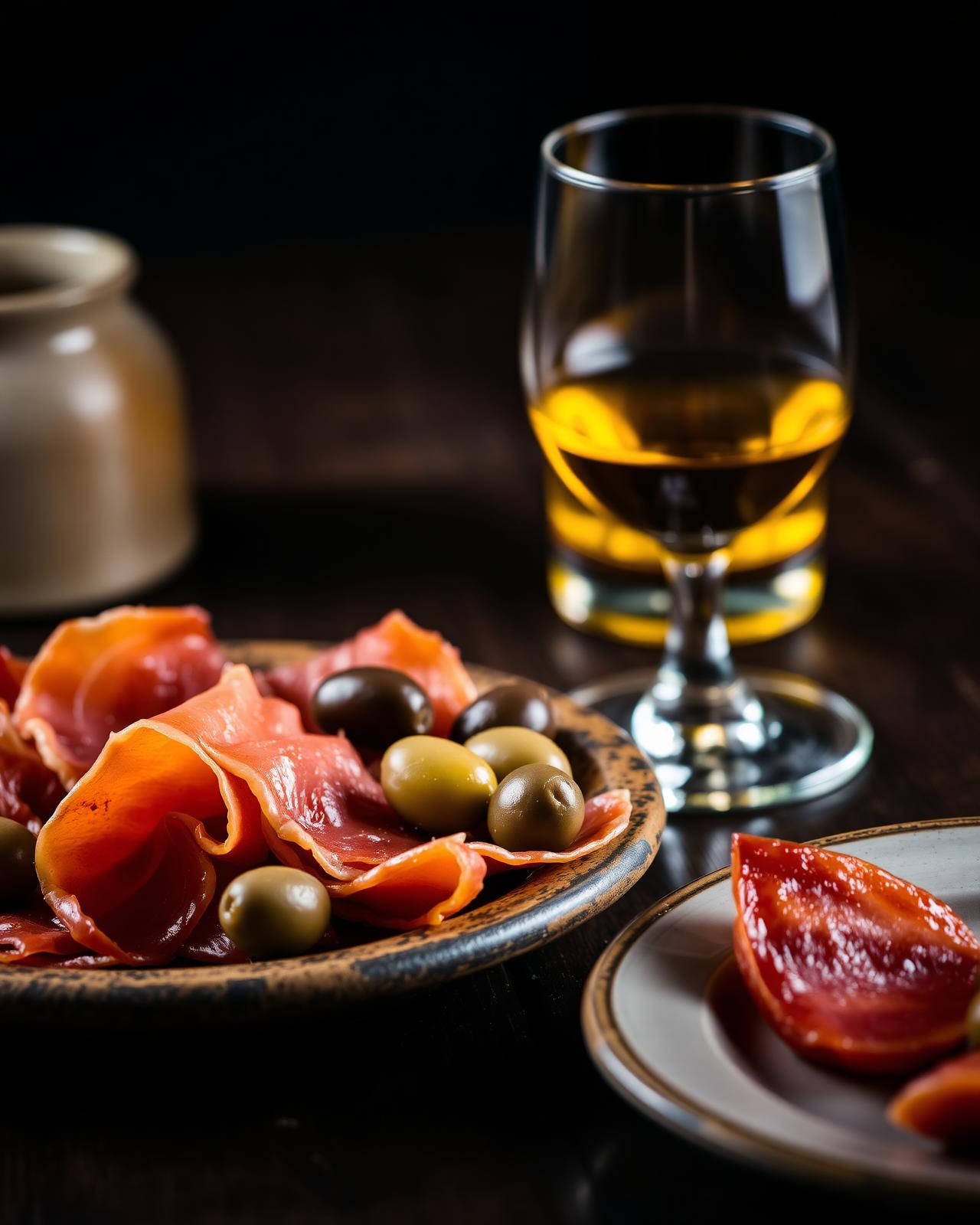
The Andalusian rule: never order more than two tapas at once. You're going to four bars tonight. Pace yourself.

The Order Sheet
Any chiringuito in El Palo
Casa Lola, Centro
El Pimpi
Uvedoble Taberna
La Cosmopolita
Antigua Casa de Guardia (since 1840)
Total for two, with wine: under €40. The Costa del Sol's last great bargain.

Chapter Three
From the city sand of Malagueta to the volcanic black coves of Maro-Cerro Gordo, the Málaga province has 161 km of coastline and a beach for every mood.
Chapter Four
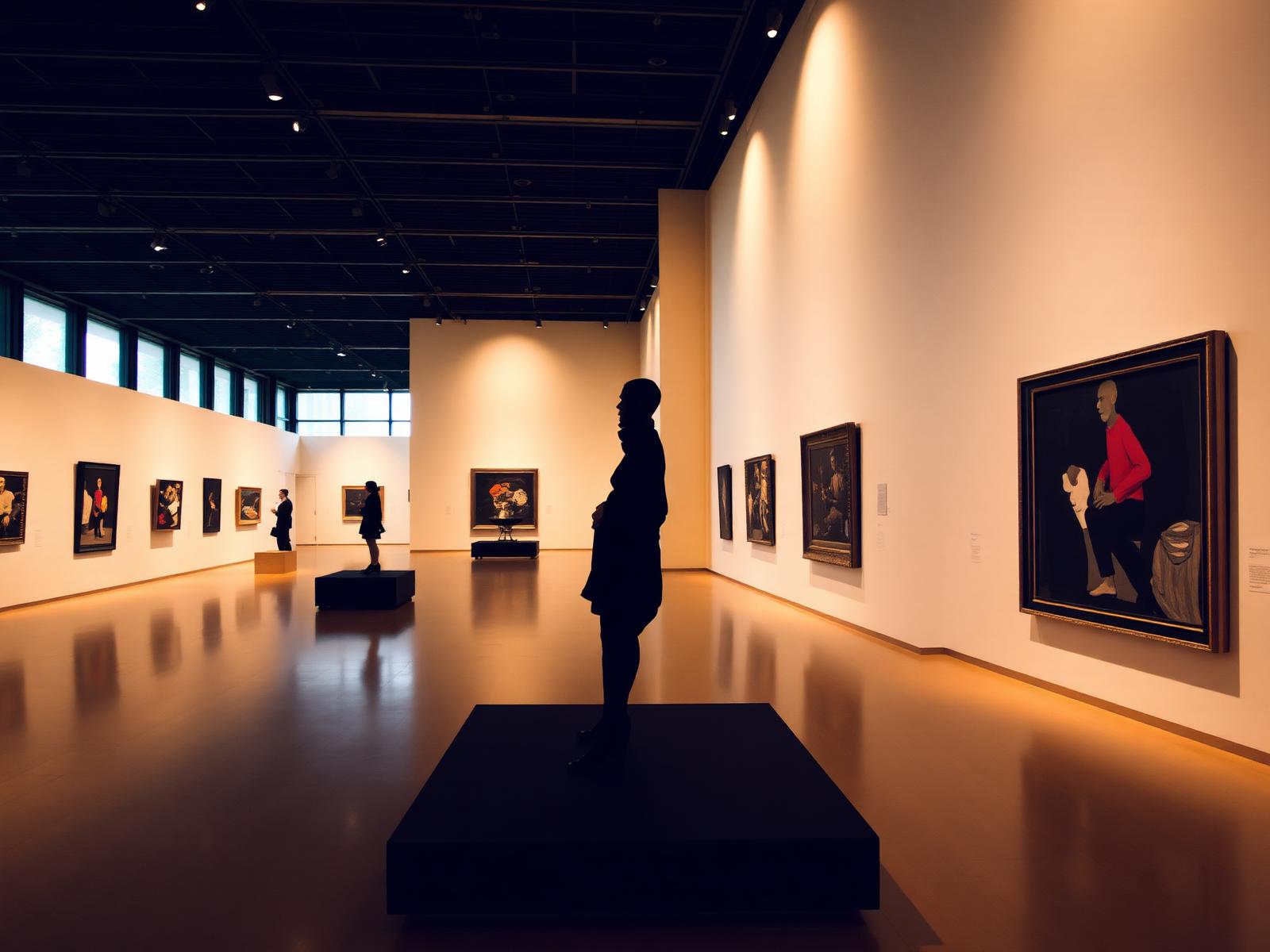
Per capita, Málaga has more museums than any other Spanish city. The Pompidou opened a permanent branch here. The Carmen Thyssen collection moved south. And the Museo Picasso — 285 works in the Buenavista Palace, blocks from the room where he was born.

Museo Picasso Málaga — Calle San Agustín, 8
Chapter Five
Málaga is also the gateway. Rent a car for one day and the entire south of Spain opens up — cliff villages, gorges, the Alhambra.

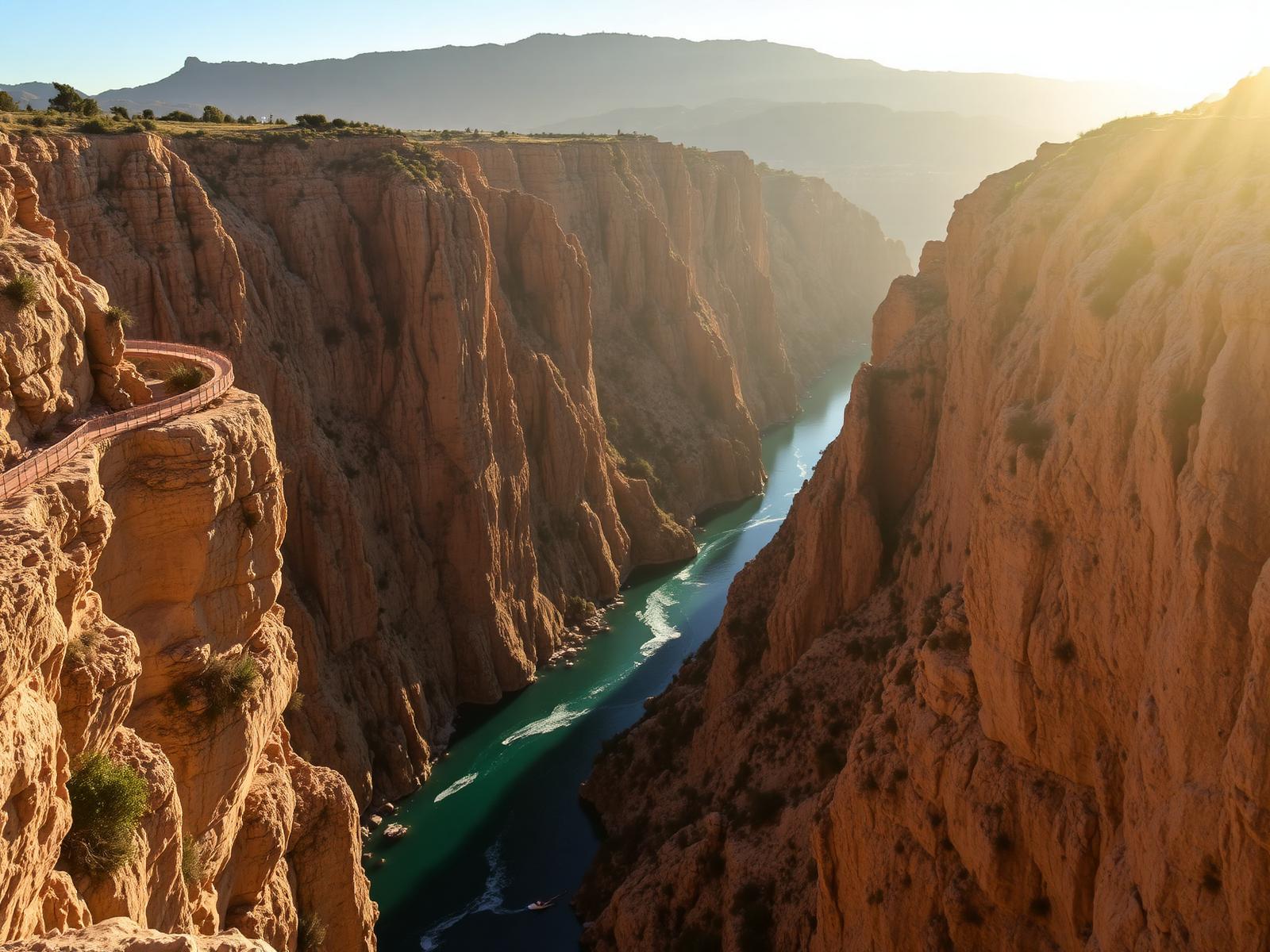
The 'king's little path' — a cliff walkway pinned 100 m above the Guadalhorce gorge. Once the world's most dangerous trail. Now wooden, safe, and unforgettable.
The white village on the cliff that inspired Hemingway and Orson Welles. Cross the Puente Nuevo at sunset. Stay for the oldest bullring in Spain.
The most beautiful palace in Europe is a ninety-minute drive away. Book tickets six weeks ahead. Stay overnight to walk the Albaicín after dark.
The white village that won 'most beautiful in Spain.' Moorish lanes, hand-painted ceramics, mountain views to the sea. Lunch at El Acebuchal.
Before you go
Absolutely. 300 days of sun, 3,000 years of history, world-class museums, and some of the best urban beaches in Europe — all without the prices of Barcelona.
Birthplace of Picasso, capital of the Costa del Sol, espeto sardines, sweet Málaga wine, the Moorish Alcazaba, and a rebuilt old town that has become one of Spain's coolest cities.
April–June and September–October are perfection: warm sea, long evenings, no August crowds. Winters are mild (16–19°C) and ideal for culture-focused trips.
Three full days for the city. Five if you want one day for Caminito del Rey and another for Ronda or Granada.
Different. Barcelona is bigger, busier, more expensive. Málaga is warmer, slower, cheaper, and you can swim before breakfast. For a first trip to Spain, many travelers now prefer it.